


Why America’s Constitution Is Exceptional
October 14, 2026
For almost 240 years, the Constitution has achieved something unusual:
It has provided a stable framework for a democratic and free republic.
The Constitution established some of our republic’s most important safeguards, including checks and balances, federalism, and separation of powers. The Bill of Rights added explicit protections for individual liberties.
Today, we might take that stability for granted. But look across the world, including Latin America, and you quickly realize how unusual it is for one constitutional system to endure for so long.
The history matters to millions of Latino families who have made America home. They came to a country with a constitutional system designed to protect liberty and limit government power.
So, nearly 240 years later, it’s worth asking:
What did the Framers get right?
A Constitution built in disagreement
We sometimes think the Framers were all in agreement about what the country should look like when they worked to draft the Constitution.
Nothing could be further from the truth.
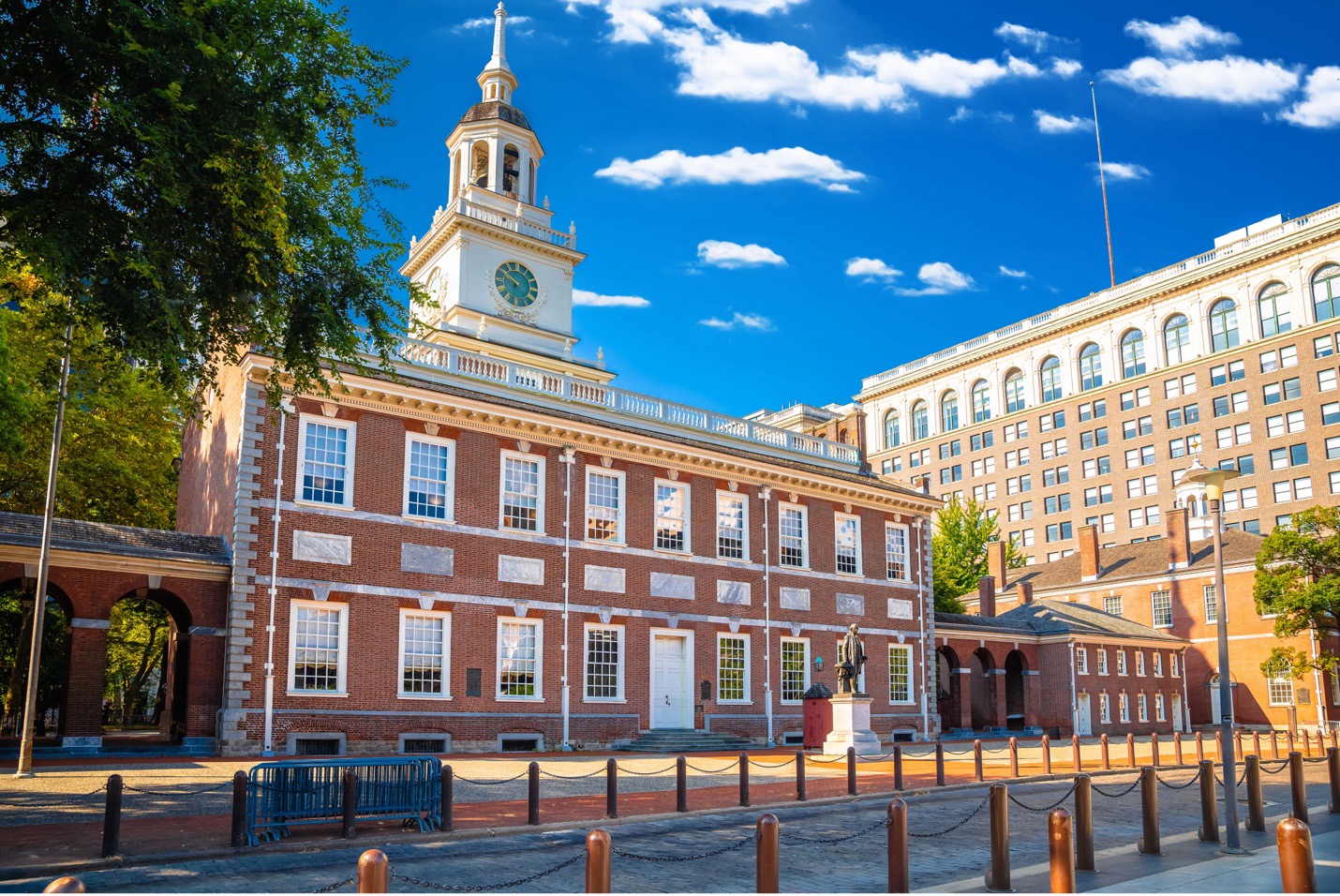
In Philadelphia, the Framers had major disagreements about how our government should work.
They fought over how states should be represented, how much power the federal government should have, and what the presidency should look like.
They held sincere and profound disagreements. But instead of trying to impose those views on the other side, they found compromises.
When large and small states clashed over representation, they created two chambers of Congress: the House, based on population; and the Senate, where each state received equal representation.
When many were skeptical of the powers and scope of a federal government, the Framers produced the Bill of Rights, helping to ensure that individual liberties would not be trampled.
The Constitution grew out of serious disagreement, evolving into an effort to build a system people with different views could live under.
They made sure nobody could have all the power
The Framers knew that power could be abused, and they knew better than to depend on the virtues of elected leaders.
So, instead of building a government that depended on who held power, they built one that placed limits on everyone.
They split the federal government into three branches and gave each ways to check the others. For example. Congress passes laws, which the president can veto, but Congress can override that veto. And the federal courts can review laws and government actions to determine whether they violate the Constitution.
They divided power even further between the federal government and the states, while splitting Congress itself between the House and Senate.
The results can be messy. Passing laws takes time. Presidents don’t always get what they want. Congress runs into limits. States and Washington clash.
That’s part of the design.
It can change without starting over
Some people today argue that the Constitution is outdated and too rigid to respond to current problems and the needs of a changing country.
But the Framers created a process to change it without tearing the entire system down and starting over.
Americans have used the amendment process to abolish slavery, expand voting rights, and change how our government works.
The process isn’t easy. Changes require broad agreement across Congress and the states.
But that is part of what has allowed the Constitution to adapt over time while preserving the basic framework of government.
Nearly 240 years of success
Just like in the time of the Framers, America today isn’t short on political disagreement.
Some principles are worth fighting for, and the Constitution doesn’t ask you to trade them away just to keep the peace.
What it does ask for is something harder: institutions strong enough to get the Union through periods of deep disagreement and leave it stronger than it was before.
That’s what the Constitution has done for nearly 240 years.
It hasn’t stopped Americans from debating the role of government, individual rights, taxes, immigration, war, the economy or who should lead the country.
Instead, it has given you and every generation before you a framework for having those arguments while preserving limits on power and protecting the freedom to disagree.
Perhaps that’s the Constitution’s most remarkable achievement.
It gave us a system that makes us stronger when we don’t agree.