


The 1,337 Words That Changed the World
July 10, 2026
This blog was written by Daniel Garza, founding president of The LIBRE Initiative
It’s tough to write something memorable.
People write countless new books, manifestos, and articles every day.
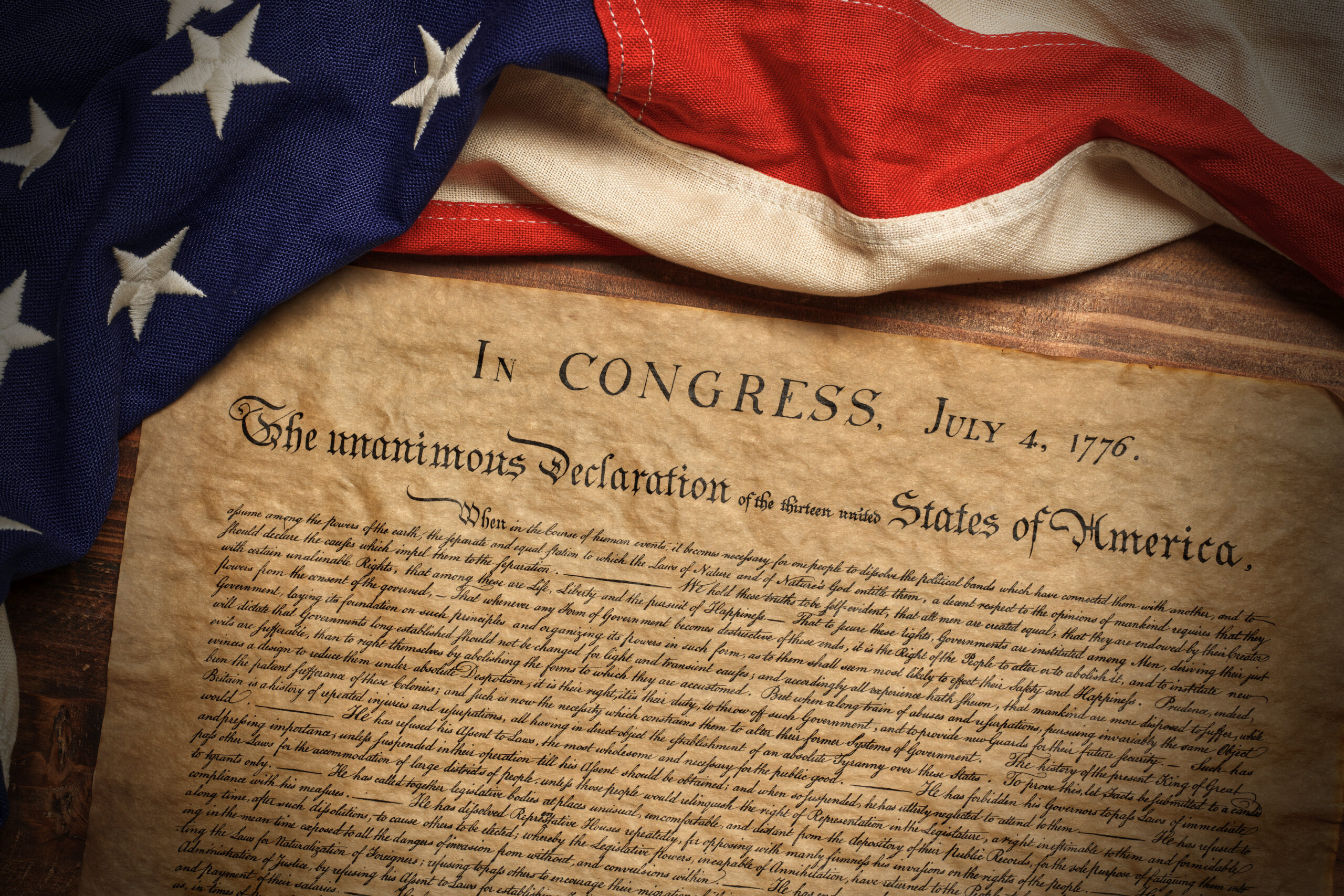
Yet, there’s one document, just 1,337 words long and readable in about five minutes, that’s so memorable people still recite it today, 250 years after it was written.
A declaration written during a war that ended centuries ago — but one that still shapes America and inspires people fighting for freedom around the world.
We’re talking, of course, about The Declaration of Independence.
This is a document so significant that, despite the many declarations issued around the world, there’s only one known as The Declaration of Independence.
And its enduring principles still shape America and inspire the world.

Bold ideas for a new era
When the Second Continental Congress met in Philadelphia, the 13 colonies were already at war with Britain. Over the following year, hopes for reconciliation faded, and Congress ultimately concluded that independence was necessary.
Thomas Jefferson was charged with two tasks:
- Explaining to his fellow Americans and the world why these disparate colonies were challenging their king.
- Laying out the principles that would become the bedrock of the new nation they were trying to found.
Jefferson didn’t have to look too far for the first task. After all, the king spent years taxing them without representation, quartering soldiers in their homes, denying them trial by jury, and keeping them under the thumb of arbitrary royal control.
But what made the Declaration timeless wasn’t the list of justified grievances from the American colonies.
It was the set of ideas Jefferson laid out in the preamble, the values upon which America was founded:
- That all men are created equal.
- That we are endowed by our Creator with unalienable rights.
- That government derives its just powers from the consent of the governed.
Those three ideas are common sense for us today.
But that’s not how things used to be in the time of our Founding Fathers. Back then, it was thought that any nation founded on such lofty ideas was bound to fall into chaos, disrepair, and strife.
Even after we won our independence, most European powers thought the republican experiment America had begun was inevitably going to implode.
Of course, they were wrong.
We showed that a country where free men and women lived as citizens, not as subjects, was possible.

A global example to follow
The Declaration of Independence didn’t stay in America.
The words Jefferson wrote in Philadelphia were repeated in the streets of Caracas, Mexico City, Havana, and Paris by people who knew that the old way of doing things was no longer enough.
Simón Bolívar, the man who liberated half of South America from Spanish rule, was deeply inspired by the ideas of the Declaration and by America’s success as a model of self-government.
Bolívar had such admiration for George Washington that he regularly wore a golden medal with Washington’s likeness until his death in 1830.
France also established a republic based in the ideas of unalienable rights and universal freedom, expressing them in the Declaration of the Rights of Man and the Citizen, drafted by the Marquis de Lafayette with the help of Jefferson.
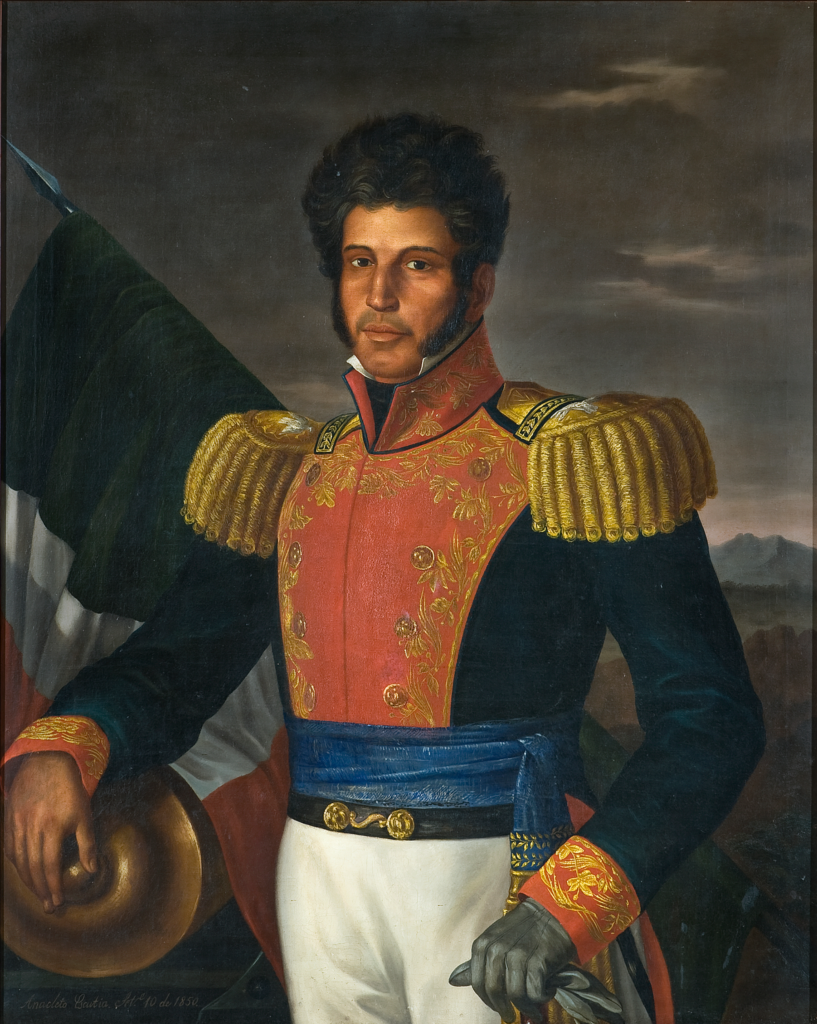
Freedom fighters like Vicente Guerrero borrowed heavily from the ideas and values of the Declaration as they fought to establish a Mexico free from colonial rule.
José Martí, the Cuban patriot who led one of the final struggles for independence in the Americas, deeply admired the values and principles of the American Revolution.
Leaders and people from different places, different times, and different cultures were all inspired by America — a testament to the enduring significance of its founding principles.
Freedom is our legacy
250 years later, we still have every reason to celebrate.
The Declaration of Independence changed history because generations of people chose to put its principles into practice.
Our generation has that same responsibility.
That’s the idea behind LIBRE’s Un Pasito campaign.
Freedom isn’t preserved through one grand gesture. It’s protected one step, one voice, and one act of civic engagement at a time.
Take un pasito and join us in keeping America’s promise of liberty alive for generations to come.