


Big ideas, bigger impact: Latino innovators you should know
April 29, 2026
Every great invention starts with someone who looked at the world and thought, “I can do this better.”
That’s the spirit that built America, and Latino inventors have embodied it for generations.
From the physics lab to the space shuttle to the products people use every day, Latino minds have helped push this country (and the world) to new heights.
Here are four stories of Latino innovators that you may not know but won’t soon forget.
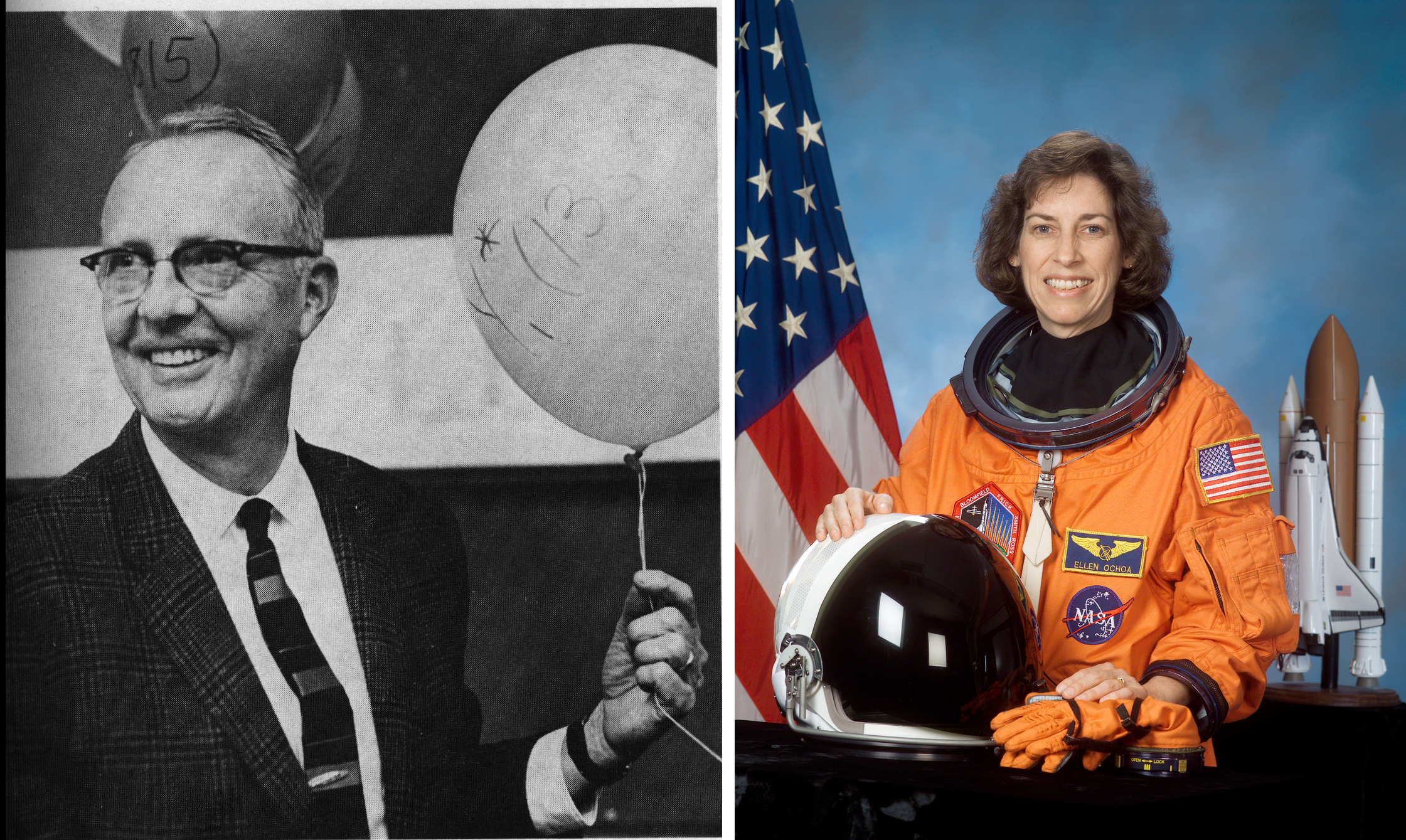
Luis Alvarez: A scientist of all trades
If Luis Alvarez’s life were a movie, most people would say it’s unrealistic.
During World War II, he developed radar-based technology to identify friendly airplanes. His invention is still used in the aircraft industry today.
By the end of the war, he was part of the team of top scientists in Los Alamos that developed the atomic bomb.
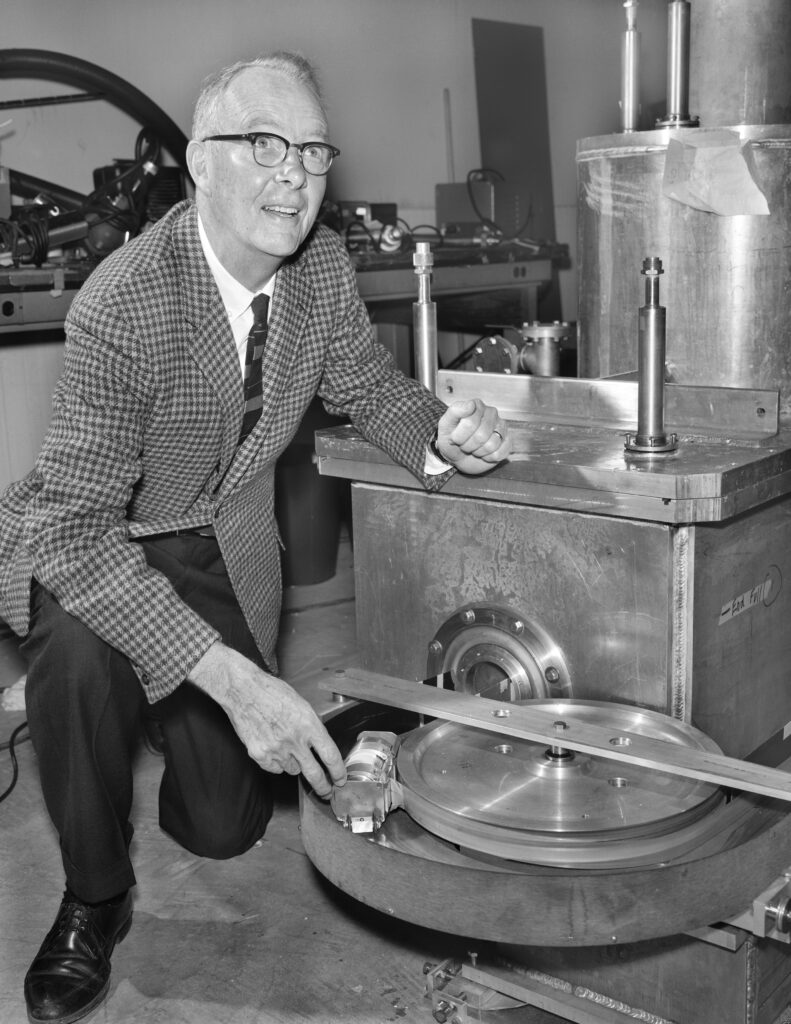
In 1968, Alvarez won a Nobel Prize in Physics for his pioneering work on subatomic particles.
As if winning a Nobel prize weren’t enough, Alvarez went on to co-develop the now well-known theory that a massive asteroid led to the extinction of the dinosaurs.
Dr. Ellen Ochoa: From the lab to the stars
In 1993, Dr. Ellen Ochoa strapped into the space shuttle Discovery and made history as the first Latina astronaut.
But before she went to space, she was already developing and improving advanced optical systems that helped us “see” our universe better, making it easier to study planets, stars, and the universe.
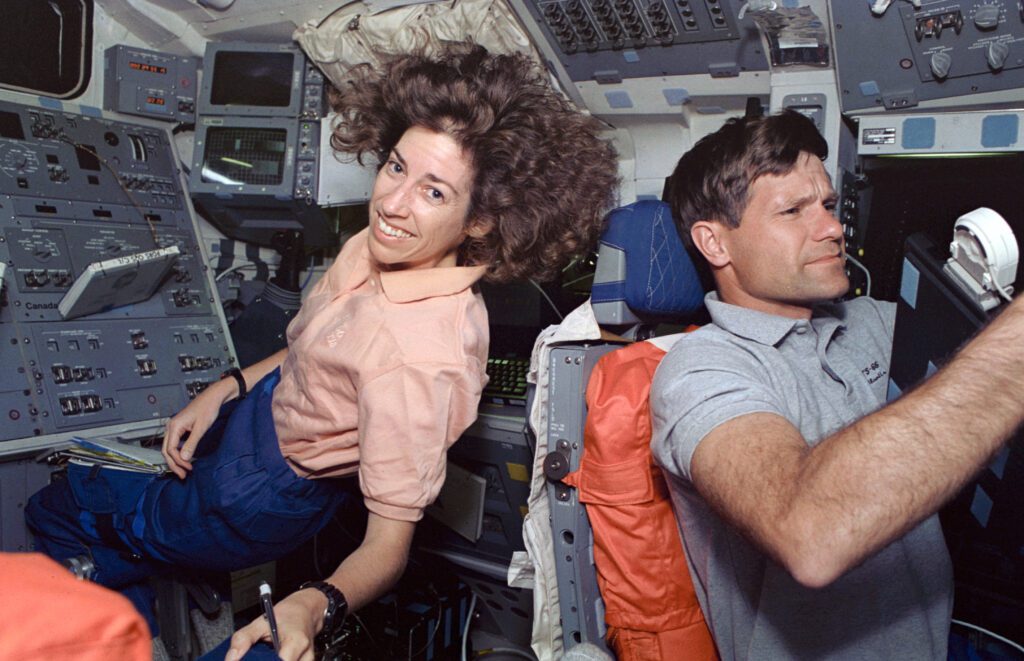
After her historic mission, she kept reaching for the stars, later becoming the first Latina director of NASA’s Johnson Space Center, a critical hub for American space exploration.
A woman who broke barriers her entire life, Ochoa is a living example of how Latinos are changing the world for the better.
Albert Vinicio Báez: Seeing the invisible
Albert Báez helped unlock a new way of seeing the world. His contributions in X-ray optics advanced imaging techniques, pushing the boundaries of what science could see and do.
His work made it possible for scientists to study structures too small and complex for conventional light microscopes. These breakthroughs opened new frontiers in biology, physics, and materials science.
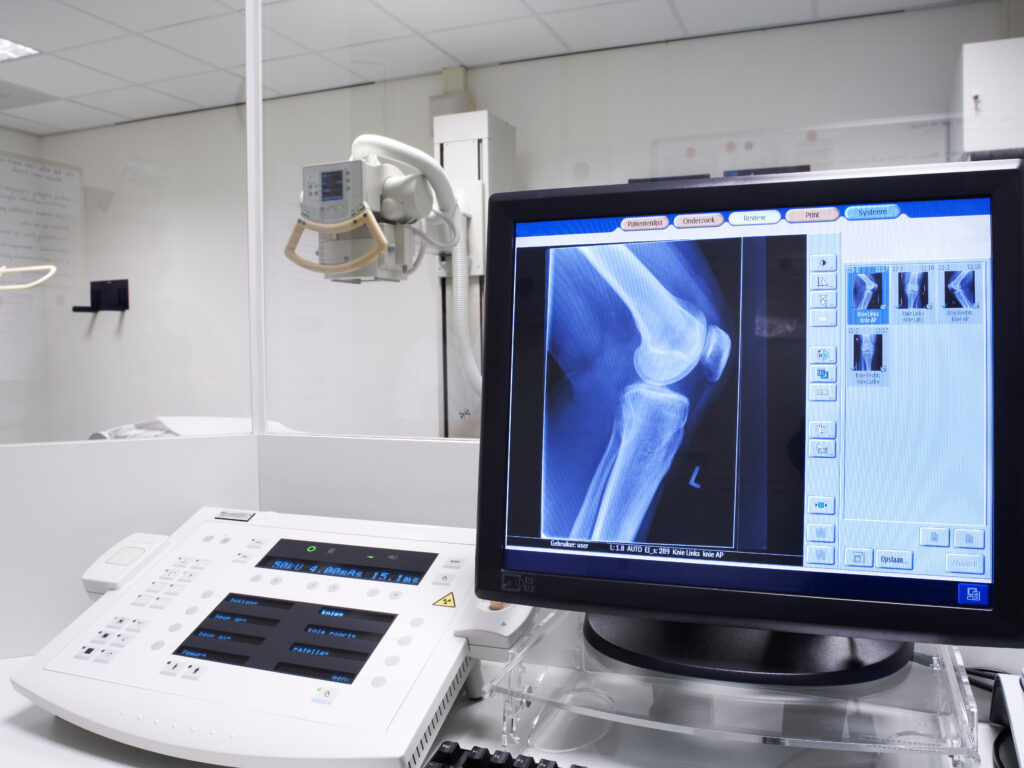
Báez’s work didn’t stop at the laboratory; he traveled the world to improve science education in developing countries, ensuring that kids and young scientists everywhere had the tools to push humanity to new heights.
Rea Ann Silva: From Hollywood to your house
Rea Ann Silva spent years as a professional makeup artist in Hollywood. Somewhere along the way, she grew tired of tools that weren’t doing the job right. So, she did what Americans always do when they find a problem: They solve it.
She built the Beautyblender — that little egg-shaped sponge you’ve probably seen at the store or even use at home — a better way to apply makeup.
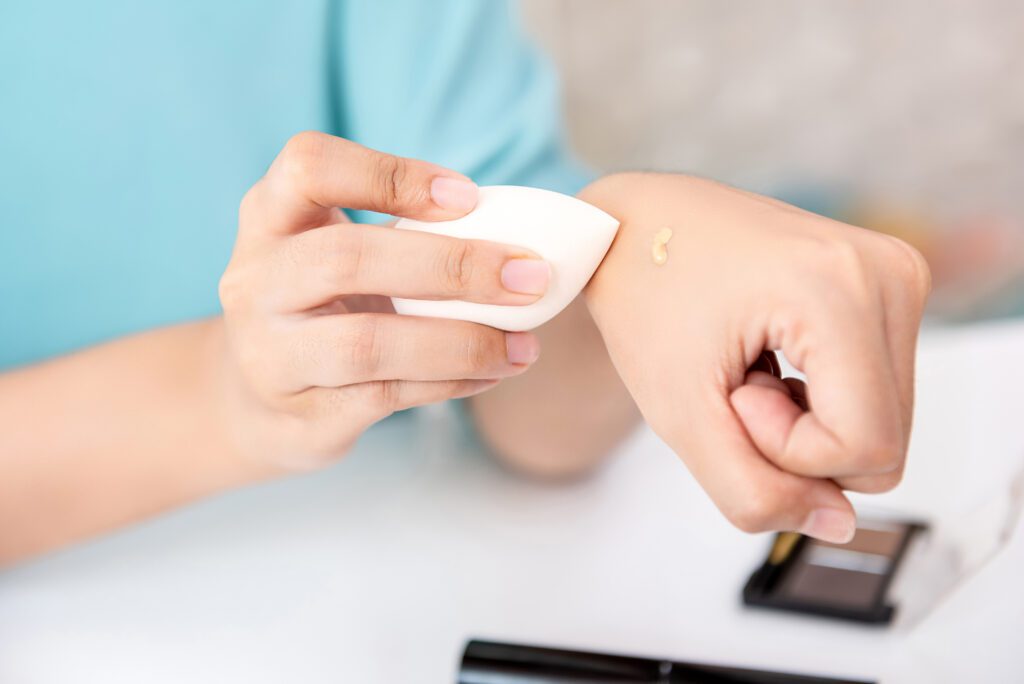
As it tends to happen with good ideas, the Beautyblender didn’t stay on a film set; it became one of the most recognizable beauty products in the world, used by professionals and everyday consumers alike.
Different stories, same drive
Whether it’s Dr. Ellen Ochoa’s discipline, Luis Alvarez’s prolific and curious mind, Albert Báez’s commitment to science, or Rea Ann Silva’s inventiveness, Latino inventors are shining examples of the American spirit.
Latinos refuse to accept “good enough” or “that’s just how we’ve always done things” as an answer. Through creativity, ingenuity, and grit, they’ve changed the world.
That spirit is what this country was built on, and exactly what we’re celebrating as America turns 250 years old.
The liberties that made it possible for Ochoa, Alvarez, Báez, and Silva to change the world are still worth protecting.
Join the “Soy LIBRE” campaign and help ensure America stays free and innovative for the generations of Latino innovators still to come.